

Newsletter 222 – 11.17.2026
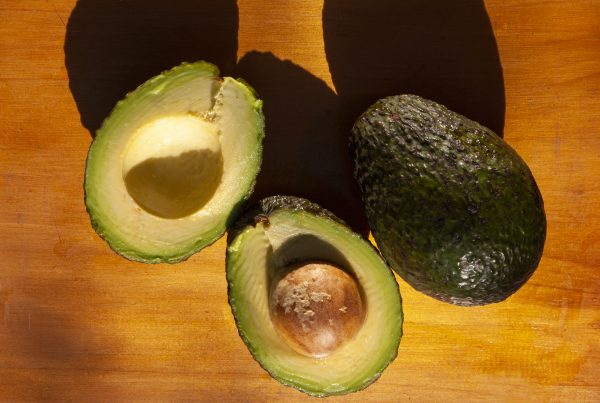
Twenty years ago, we were commissioned to conduct a study on avocado consumption in major Argentine urban centers. At that time, while the avocado was a fruit known to virtually everyone, only 50–60% of the population in Buenos Aires, Córdoba, and Rosario actually consumed it. Furthermore, the way and frequency with which it was consumed differed significantly from today. Avocados were not a staple in retail stores; consequently, consumers would buy one only when they happened to see it and felt the urge to treat themselves to a small luxury. An avocado was considered an indulgence—a "pampering for the soul," much like a piece of chocolate. In that study, Mendoza stood out as a unique case: due to Chilean influence, 90% of its population was already consuming avocados by 2005. Today, when it comes to avocados, we are all like the people of Mendoza—the fruit has become a standard item that must be available in retail outlets. Consumption has shifted from sporadic, impulsive purchases to regular, planned ones. This means avocados now appear on shopping lists; if they aren't immediately visible in a store, shoppers will actively look for them. For many, the avocado has become an essential food, capable of serving as the basis for a main meal. It is also an ideal snack—a way of eating that is becoming increasingly common among young people. In this sense, an avocado can replace a ham-and-cheese sandwich, a slice of pizza, or even a "milanesa" (breaded cutlet). All of this comes with the added benefit of it being a very healthy food, which is why it is especially valued by vegetarians and vegans.
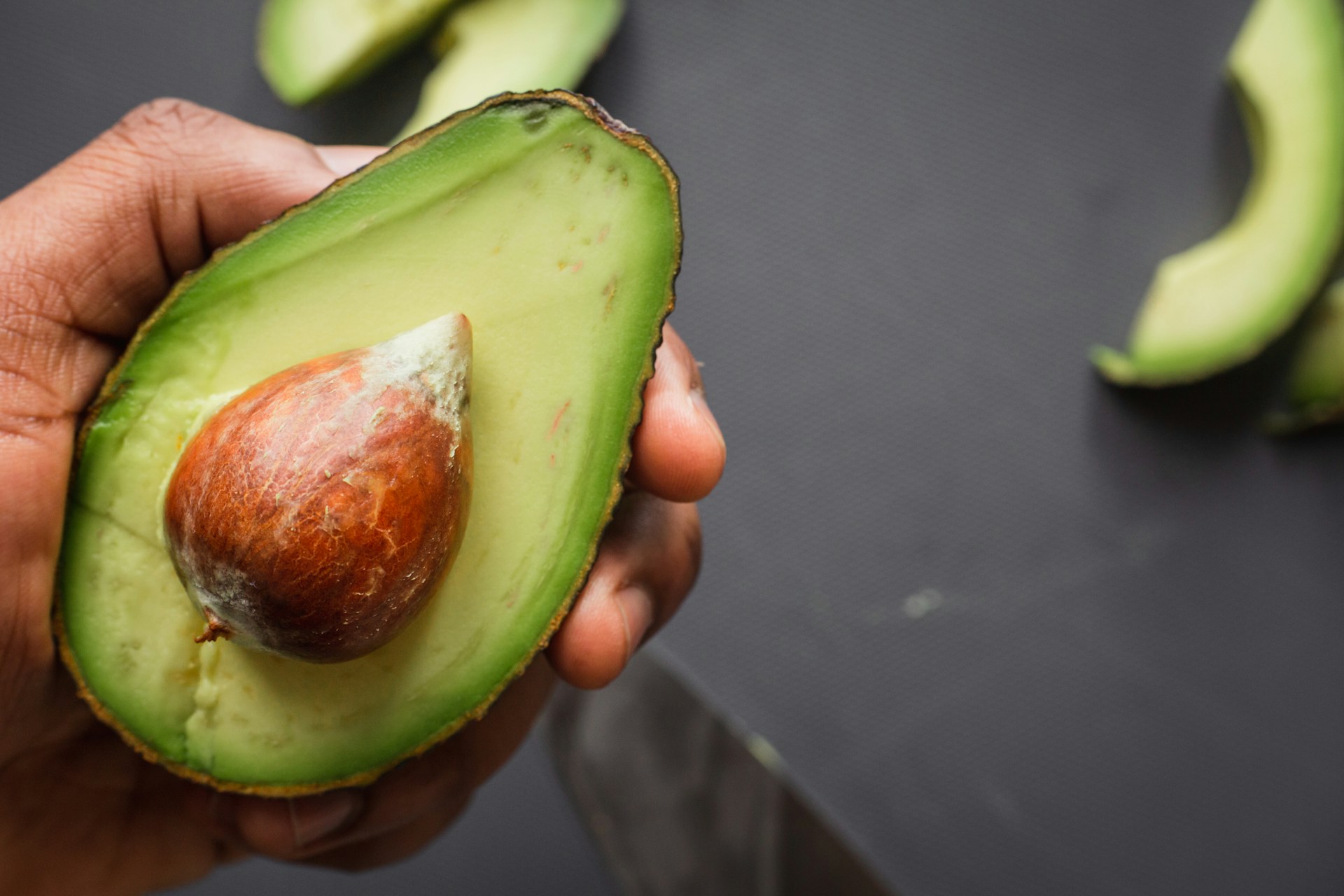
What led to this status? First and foremost, its intrinsic qualities: a texture that makes it easy to eat, a mild flavor, a high oil content, and health benefits. Furthermore, it is incredibly convenient—it can be purchased individually, making it well-suited for households of one or two people, and it comes in its own eco-friendly, natural packaging. Another significant factor is its exotic or distinctive appeal. Younger generations are keen to explore new and novel foods; the major surge in the popularity of Mexican cuisine—guacamole, avocado toast, and so on—is a reflection of this. It is also worth noting that nearly 20% of the North American population has Latin American roots, with Central Americans making up the vast majority. The Super Bowl is simply no longer complete without guacamole.
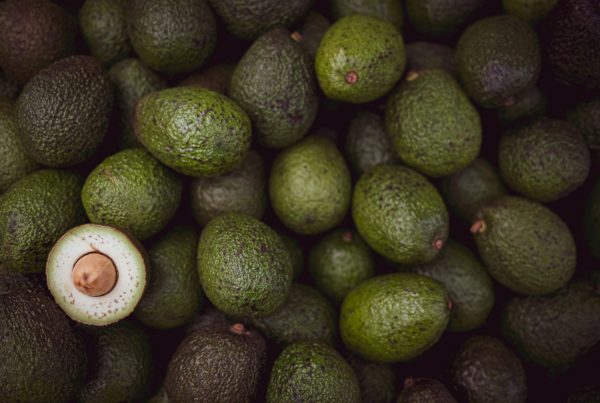
The success of the avocado has led to a significant expansion in its production. Over the course of 20 years, output has grown from 2.5 million tonnes to more than 11 million. Trade has grown even more, increasing tenfold—rising from 0.3 million tonnes to 3.4 million. This growth has been achieved despite a notable drawback: the avocado is a relatively expensive fruit. Challenges related to its production—such as its sensitivity to extreme weather events, complex logistics, short post-harvest shelf life, and the specialized care it requires—make it costly to both produce and transport. Consequently, its consumption is largely confined to countries or population segments with higher purchasing power. This is reflected in consumption patterns across Europe: countries with high purchasing power, such as Norway or Switzerland, consume two to three times more avocados per capita than nations in Southern or Eastern Europe. Nevertheless, even among groups with more limited economic means, it is common for shoppers to choose an avocado over other types of fruit or vegetables.
If fruits were people, the avocado’s success story would likely spark deep jealousy among most other fruits. For the majority of them, the trend in consumption has gone in the opposite direction: once viewed as staples—essential items purchased every single week—they have now become “dispensable.” A segment of the population even believes they can live perfectly well without them. Younger generations, especially Gen Z, rarely consume fruit, if at all. Many fruits are now eaten only sporadically—picked up occasionally when passing by a produce shop and the craving for something sweet strikes. The old sense of obligation—to eat a piece of citrus daily for vitamin C, or an apple a day to “keep the doctor away”—has largely faded. In this regard, the avocado is fortunate, and all signs point to its continued success. In most markets, it still has significant room for growth.
Authors: Ing.Agr. Betina Ernst